 Orlando Premier Water Damage Restoration
Water Damage Restoration Orlando Florida
Orlando receives about 50 inches of rain per year, almost all of it during a hurricane season that runs from June through November. The city sits on a flat, lake-dotted landscape with poor natural drainage — when a tropical storm or hurricane crosses Central Florida, widespread flooding follows quickly. Inside the home, Florida’s year-round heat and the nation’s highest average relative humidity mean that any water event left unaddressed for even 24 hours risks rapid mold growth. We provide water damage restoration in Orlando, FL and across the greater Central Florida area, 24 hours a day, 7 days a week. Call (407) 974-7680 now for an immediate response.
Call Now — 24/7 Emergency ResponseGet a Free Quote
Water Damage Restoration Services in Orlando, Florida
Water damage in Orlando comes from a short list of powerful sources: hurricanes and tropical storms that flood homes across Orange, Osceola, and Seminole counties; summer thunderstorms that overwhelm drainage in flat, lake-heavy terrain; plumbing failures and roof leaks; and AC condensate line overflows that go unnoticed for days in the summer heat. Whatever the source, flood damage restoration in Orlando requires fast extraction, professional drying, and expert restoration to prevent secondary damage like mold. Orlando’s average relative humidity of approximately 74 percent — the highest among major U.S. cities — means that moisture in building materials can produce visible mold growth within 24 hours of a water event. Our IICRC-certified technicians handle every category of water loss: from clean water extraction to Category 3 black water remediation. We restore Orlando homes and commercial properties to pre-loss condition, working directly with your insurance company. Serving all of Orange County and the surrounding Central Florida region including Osceola, Seminole, Lake, and Volusia counties.
Mold Remediation Orlando FL
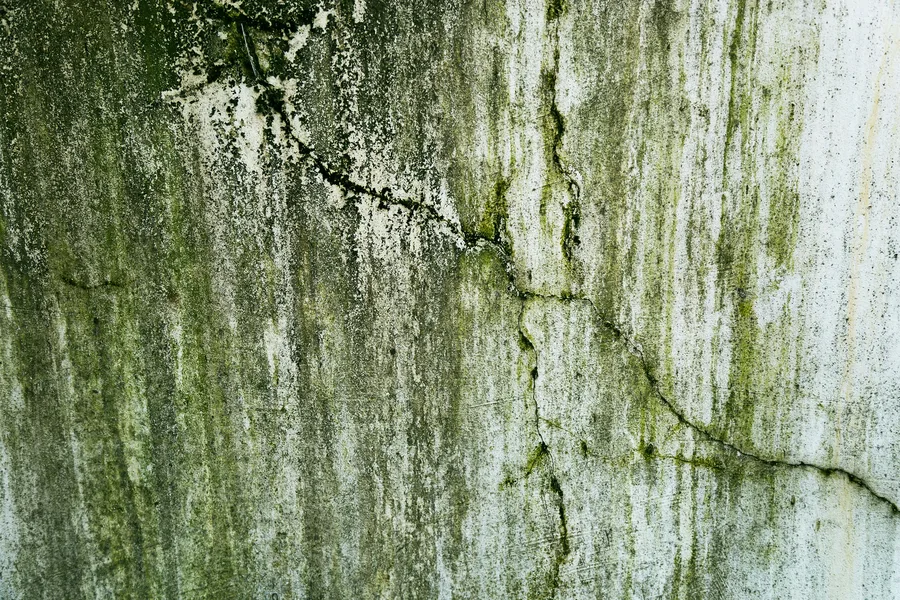
Orlando’s heat and extreme humidity create the most aggressive mold growth conditions in the country. In summer, a wet wall or soaked carpet pad can begin showing visible mold growth within 24 hours. Our IICRC-certified technicians use HEPA air scrubbers, negative-pressure containment, and EPA-registered antimicrobial treatments to stop mold at its source. We inspect walls, ceilings, crawl spaces, and HVAC systems, and perform clearance testing after remediation. Call (407) 974-7680 for a free mold estimate.
Learn More About Mold Remediation →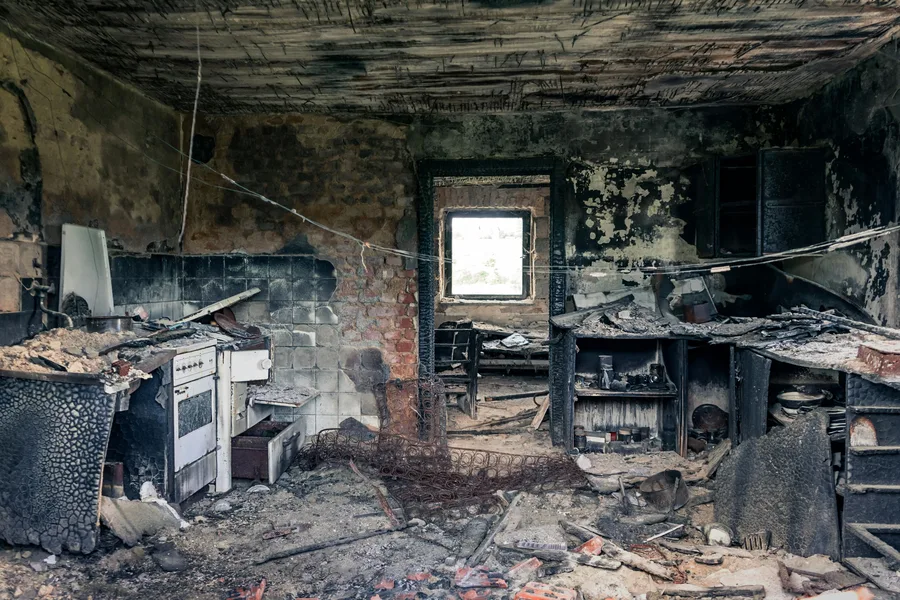
Fire & Smoke Damage Restoration Orlando
A house fire leaves behind more than charred structure — soot, smoke residue, and suppression water create secondary damage that continues long after the flames are out. Our FSRT-certified technicians handle smoke odor removal, soot cleaning, thermal fogging, hydroxyl treatment, and content pack-out. One often-overlooked fact: firefighting water requires the same extraction and structural drying as any flood event. Call (407) 974-7680 for 24/7 response.
Learn More About Fire & Smoke Damage →
Sewage Cleanup Orlando FL
Sewage backup is a Category 3 black water event — containing pathogens including bacteria, viruses, and parasites that pose serious health risks. Our biohazard-certified emergency sewage cleanup in Orlando is available 24/7. Common causes include aging sewer infrastructure, tree root intrusion, grease blockages, and sewer surcharges when heavy summer rain overwhelms Orlando’s storm and sanitary sewer systems simultaneously. Do not attempt cleanup yourself — call (407) 974-7680 immediately.
Learn More About Sewage Cleanup →
Emergency Water Removal Orlando FL
When water is actively standing in your Orlando home, every minute of delay increases structural damage and mold risk. In Florida’s climate, that risk window is shorter than anywhere else in the country. Our 24/7 emergency water removal team dispatches across the greater Orlando area with truck-mounted extractors capable of removing hundreds of gallons per minute. We respond to hurricane flooding, burst pipes, AC system failures, appliance overflows, and Category 3 sewage backups. Call (407) 974-7680 for immediate dispatch.
Learn More About Emergency Water Removal →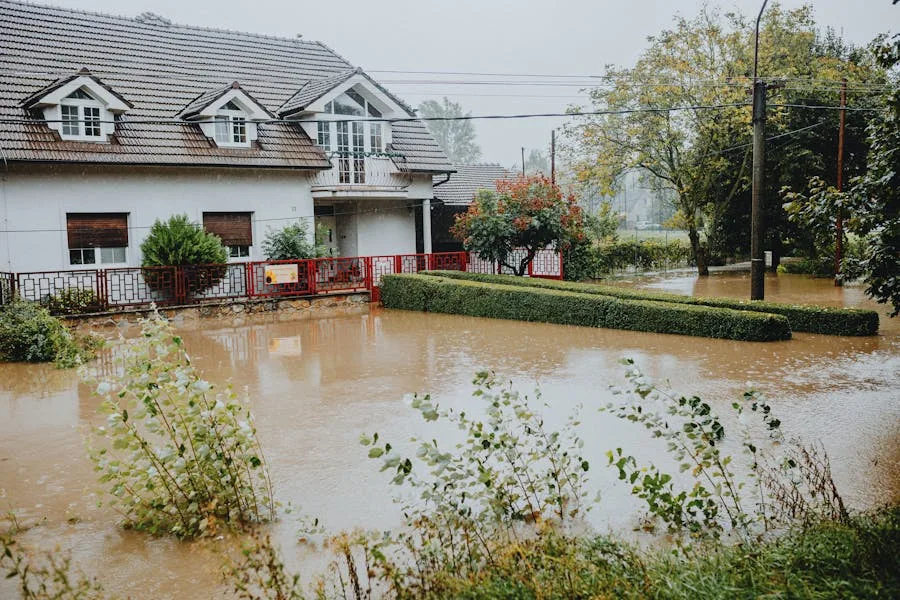
Structural Drying Orlando FL
After water extraction removes standing water, building materials retain significant moisture that must be professionally dried before mold can establish. Opening windows in Orlando introduces outdoor air that is often 70 to 80 percent relative humidity — actively working against drying. Industrial LGR dehumidifiers and high-velocity air movers are the only tools capable of achieving professional drying goals in Central Florida’s climate. Our ASD-certified technicians monitor moisture daily to confirm drying targets are met.
Learn More About Structural Drying →Hurricane & Storm Flood Damage Restoration in Orlando, Florida
Orlando’s flood risk is rooted in its geography: a flat, low-lying landscape at the center of the Florida peninsula, dotted with more than 100 named lakes and criss-crossed by drainage canals that carry runoff from the surrounding watershed. Shingle Creek, which drains through the heart of Orange County into Lake Tohopekaliga, regularly receives excess stormwater during hurricane season. Lake Apopka — the largest lake in Orange County — and the chain of lakes running through the Dr. Phillips and Bay Hill areas influence drainage patterns across west Orlando. The flat terrain means that water has nowhere to go quickly when storm systems stall over the area.
Hurricane Ian in September 2022 made landfall on the Gulf Coast near Fort Myers but drove inland across Central Florida, causing widespread flooding in Orange, Osceola, and Seminole counties with rainfall totals of 10 to 15 inches across the Orlando metro. Hurricane Irma in 2017 produced significant rainfall and flooding across the entire region. Tropical Storm Eta in 2020 brought additional flooding to areas still recovering from earlier storm events. Even without a named storm, Orlando’s summer wet season brings almost daily thunderstorms from June through September that regularly produce localized flooding in low-lying neighborhoods. If your Orlando home was flooded, call (407) 974-7680 now.
Our Water Damage Restoration Process
Water damage restoration is a science, not just a cleanup. The IICRC S500 standard governs how certified technicians assess, dry, and restore water-damaged structures. The correct drying approach depends on the water classification (Category 1 clean water, Category 2 grey water, or Category 3 black water) and the damage class (Class 1 through Class 4, based on how deeply water has penetrated materials). Our Orlando restoration team follows this framework on every job:
-
Emergency Contact & Assessment — Call (407) 974-7680 any time, day or night. We dispatch an IICRC-certified technician to your Orlando home within hours for a full assessment of the damage scope, water classification, and drying requirements.
-
Water Extraction — Truck-mounted vacuum extractors remove standing water fast — gallons per minute, not hours. Every minute of water contact increases structural damage and the risk of secondary mold growth.
-
Structural Drying — Industrial LGR dehumidifiers and high-velocity axial air movers dry affected walls, floors, and subfloors. We monitor moisture levels with calibrated moisture meters and adjust equipment placement using psychrometric monitoring to hit drying targets efficiently.
-
Mold Prevention & Monitoring — Stopping mold requires hitting drying goals, not just running equipment. We take readings daily and use thermal imaging cameras to confirm no moisture pockets remain hidden behind surfaces.
-
Restoration & Repair — Damaged materials are removed and replaced. Flooring, drywall, insulation, and structural components are restored to pre-loss condition. We document every step for your insurance claim.
Licensed, Certified & Ready 24/7
When you search for a restoration company in Orlando, you want technicians who understand that Florida’s climate shortens the mold clock dramatically — and who have the equipment and training to respond fast enough to stay ahead of it. A restoration company that schedules you for next week is not a restoration company; it’s a repair company. We dispatch the same day, run drying equipment immediately, and monitor daily until we’re done. We don’t cut drying short because of schedule pressure — and we’ll tell you when we’re done with readings to prove it.
What Orlando Homeowners Are Saying
“After Hurricane Ian we had water in the first floor of our house in Dr. Phillips. Called late at night and they picked up immediately. The crew was there within two hours, started extraction right away, and ran equipment for four days straight. They handled our insurance adjuster directly and we barely had to do anything except sign forms. Highly recommend.”— Karen T., Dr. Phillips, FL
“Our AC condensate drain backed up while we were on vacation and we came home to soaked carpet across half the house. These guys were the only ones who called back after hours. They had the water out and equipment running the same night. No mold issues afterward — they made sure of that.”— Michael R., Winter Park, FL
“Sewage backup in the guest bath during a storm. It was a complete disaster. The team was professional and thorough — they had everything extracted, sanitized, and drying within hours. The smell was completely gone by day three. I won’t use anyone else.”— Diane L., Oviedo, FL
Serving Orlando and the Entire Greater Central Florida Area
We provide water damage restoration across Orlando, Florida and the surrounding Central Florida region — from Apopka and Deltona to the north to Kissimmee and St. Cloud to the south, and from Clermont and Winter Garden to the west to Sanford, Oviedo, and Lake Mary to the east. Whether you’re in an older College Park bungalow or a newer Lake Nona development, our team dispatches from within the market.
Orange County
Orlando, Winter Park, Apopka, Ocoee, Winter Garden, Kissimmee area, Dr. Phillips, Bay Hill, Windermere, Belle Isle, Lake Nona
Seminole County
Sanford, Altamonte Springs, Casselberry, Longwood, Oviedo, Winter Springs, Lake Mary
Osceola, Lake & Volusia Counties
Kissimmee, St. Cloud, Clermont, Deltona, and surrounding Central Florida communities
Whether you’re in a historic Thornton Park bungalow or a newer Lake Nona home, our water damage restoration team in Orlando, Florida is ready to respond. Call (407) 974-7680 — we’re available 24/7, including nights and weekends.
Get a Free Water Damage Quote in Orlando
Don’t wait — in Orlando’s climate, water damage worsens faster than anywhere else and mold risk begins within 24 hours. Call us now at (407) 974-7680 for 24/7 emergency response, or fill out the form and we’ll get back to you within the hour.
24/7 Emergency Response • IICRC Certified • Free Estimates • Licensed & Bonded in Florida
Water Damage Restoration FAQs — Orlando, Florida
-
Stop the water source if possible — shut off the main water valve for a plumbing failure, or get to safety and call professionals if it’s storm flooding. Turn off power to affected areas to prevent electrical hazards. Move valuables and important documents to dry areas. Document everything with photos before touching anything — your insurance adjuster will need this. Then call a certified restoration company immediately. In Orlando’s heat and humidity, mold can begin establishing in as little as 24 hours — speed is critical.
-
Minor jobs — a single room, a burst pipe with no structural damage — typically require 3 to 5 days of drying equipment running, followed by 3 to 7 days for any necessary repairs. Major flooding from a hurricane or tropical storm can take 2 to 4 weeks from initial extraction to full restoration. Daily moisture monitoring is essential to confirm drying goals are being met.
-
Standard HO-3 and HO-5 homeowners policies cover sudden and accidental water damage but do not cover flooding from outside sources — rising lake water or stormwater flooding requires separate flood insurance through the NFIP or a private insurer. Wind-driven rain that enters through a damaged roof or window is typically covered under the hurricane or windstorm portion of your policy. We work directly with your insurance company to document damage and support your claim regardless of coverage source.
-
In Orlando’s climate, mold can begin colonizing wet surfaces in as little as 24 hours — sometimes faster in summer conditions. Orlando has an average relative humidity of around 74 percent, the highest among major U.S. cities. Combined with summer temperatures, wet building materials in an Orlando home can produce visible mold growth within one to two days of a water event. Professional structural drying equipment must bring indoor relative humidity below 60% to arrest mold growth; consumer fans and dehumidifiers are never sufficient for anything beyond a very minor spill.
-
Yes. Central Florida receives approximately 50 inches of rain per year, most of it during a six-month hurricane season. Orlando’s flat, lake-heavy landscape has poor natural drainage — water accumulates quickly and moves slowly. Hurricane Ian in 2022 caused widespread flooding across the Orlando metro despite making landfall on the Gulf Coast. Hurricane Irma in 2017 flooded properties across the entire region. Even without a named storm, summer thunderstorms regularly produce localized flooding in low-lying neighborhoods.
-
No. A licensed restoration company performs the scope and assessment on-site as part of the initial response — typically within a few hours of your call. Calling quickly is what matters most. In Orlando’s climate, waiting for a separate inspection appointment gives mold an extra day to establish. We assess on arrival and begin work the same day.
-
Water mitigation is the emergency phase — stopping the damage from spreading. It includes extraction of standing water, drying structural materials, and containing the affected area to prevent secondary damage. Restoration is the rebuild phase — replacing damaged materials, repairing structures, and returning the property to pre-loss condition. Both phases are typically handled by the same certified restoration company, though insurance claims sometimes separate them into distinct line items.